Menopause has a way of reminding women that the body likes to keep things interesting. Sleep gets fussy, metabolism slows down like it missed the memo, and heart health suddenly deserves a lot more attention. That is exactly why olive oil deserves a serious place in the conversation.
For women looking to support health in the most natural way possible, olive oil is one of the simplest and most evidence-backed foods you can add to daily life. It is flavorful, versatile, and linked to better cardiovascular health, healthier aging, and improved diet quality. In other words, it is not a miracle potion—but it is close to a kitchen staple that actually earns its reputation.
Why Olive Oil Matters More During Menopause
Menopause brings hormonal changes that can affect blood pressure, cholesterol, abdominal fat, inflammation and insulin sensitivity. Many women also notice that the foods they used to tolerate well no longer feel as forgiving.
That is where olive oil shines.
Extra virgin olive oil is rich in monounsaturated fats, especially oleic acid, and contains antioxidants and polyphenols that may help reduce oxidative stress and inflammation. Those properties matter because inflammation and metabolic changes become more relevant during midlife and beyond.
A review focused on menopause and metabolic syndrome noted that olive oil may play a useful role in dietary strategies aimed at reducing menopause-related metabolic risk. In plain English: it is one of those fats that can support the body instead of annoying it.
Heart Health: The Strongest Case for Olive Oil
If olive oil had a public identity, cardiovascular support would be its headline.
A systematic review and meta-analysis published in 2022 found that olive oil consumption was associated with more favorable health outcomes, especially for cardiovascular disease. That is important for menopausal women, because estrogen decline after menopause is linked to higher cardiovascular risk over time.
This does not mean olive oil works like a shield against every heart problem. It means it can be part of a dietary pattern that supports better heart health, especially when it replaces less healthy fats such as shortening or heavily processed oils.
Metabolic Health: Helpful, But Not Magical
A lot of women in menopause notice that weight management becomes less predictable. The body can seem to cling to fat like it has trust issues.
Olive oil cannot override physiology, but it can help create a healthier eating pattern. Because it is satisfying and flavorful, it can make vegetables, legumes and whole grains more appealing. That matters, because a diet built around minimally processed foods is one of the most natural ways to support metabolic health.
The key point is substitution, not addition. Olive oil helps most when it replaces less healthy fats—not when it is poured on top of everything in sight like the world’s healthiest accident.
Anti-Inflammatory and Antioxidant Benefits
One of the most interesting things about extra virgin olive oil is that it is more than just fat. It also contains bioactive compounds that may help protect cells from oxidative stress.
Why does that matter?
Because menopause is often accompanied by changes that can increase inflammation and reduce resilience. That can show up in the form of joint discomfort, metabolic shifts or simply feeling less energetic than before.
A review on olive oil and women’s health highlighted its protective potential and discussed benefits related to antioxidant and anti-inflammatory mechanisms.
This is one reason olive oil fits so well into a natural-health approach. It is not flashy. It is not trendy. It is just consistently useful.
Blood Sugar Support
Here’s something nobody tells you: olive oil can help keep your energy from crashing like a bad Wi-Fi signal. When you pair it with meals — especially carbs — it slows down digestion and softens those blood sugar spikes that leave you reaching for a snack 20 minutes later.
For women in menopause, this matters more than you’d think. Hormonal shifts can make your body less responsive to insulin, which means more cravings, more crashes, and more “why am I standing in front of the fridge again?” moments. Olive oil helps smooth that rollercoaster out — not by magic, but by making meals digest more steadily.
Brain Health
Your brain is roughly 60% fat, so it’s not exactly shocking that the quality of fats you eat matters. Olive oil — especially extra virgin — is rich in monounsaturated fats and polyphenols that have been linked to better cognitive aging. Think of it as long-term maintenance for the organ that’s running the whole show.
Research on Mediterranean-style eating patterns has associated regular olive oil intake with sharper memory and slower cognitive decline in older adults. No, it won’t make you suddenly remember where you left your keys — but it fits into a broader strategy of keeping your mind sharp as the years go on. And honestly, every little bit helps.
🫒 Our Pick: Liquid Gold for Your Pantry
Look, you could stand in the olive oil aisle for 20 minutes reading labels like it’s a PhD exam — or you could skip the drama.
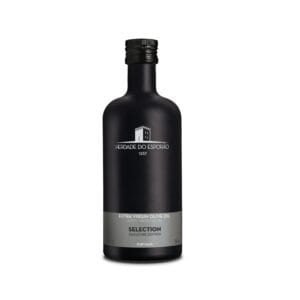
Herdade do Esporão Extra Virgin Olive Oil – Selection (17 fl oz) is the real deal: cold-pressed, polyphenol-rich, and made from olives grown in Portuguese soil that’s been doing this for centuries. It’s the kind of oil that makes a boring salad taste like a Mediterranean vacation.
If you’re going to make olive oil your daily wellness habit (and you should), this is a bottle worth pouring.
👉 Get it on Amazon — Herdade do Esporão Selection EVOO 500ml (17 fl oz)
Disclosure: As an Amazon Associate, we earn from qualifying purchases. Your support keeps Natural Menopause running — thank you!
Olive Oil and the Mediterranean Pattern
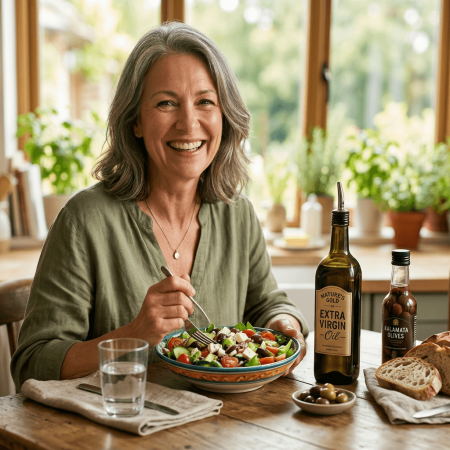
One of the best-supported ways to use olive oil is as part of a Mediterranean-style eating pattern. This approach emphasizes:
- vegetables
- fruits
- legumes
- nuts
- whole grains
- fish
- olive oil as the main added fat
That overall pattern has been associated with better long-term health outcomes in many studies. Olive oil is important here not because it works alone, but because it helps make the whole pattern sustainable.
In real life, this means simple things like:
- drizzling olive oil over roasted vegetables
- using it in salad dressings
- adding it to beans and lentils
- finishing soups with a spoonful for flavor
Healthy eating tends to last longer when it tastes good. Olive oil helps with that. Conveniently, it also makes you sound like you have your life together.
A Practical Note: Quality Matters
Not all olive oil is equal. Extra virgin olive oil is usually the best choice when possible because it is less processed and tends to retain more antioxidants and flavor compounds.
A few practical tips:
- choose extra virgin olive oil for salads, finishing dishes and moderate-heat cooking
- store it away from heat and light
- buy smaller bottles if you do not use it quickly
- look for fresh, peppery, slightly bitter flavor—those are often signs of quality
Counterpoints Worth Mentioning
To keep things honest, olive oil is not perfect and it is not a cure-all.
Some people overdo it because it is healthy, but it is still calorie-dense. Too much of any fat can work against weight goals if portions are ignored. Also, olive oil alone will not fix a diet that is otherwise high in ultra-processed foods.
So the best perspective is balanced:
- olive oil is beneficial
- olive oil is not magic
- olive oil works best inside an overall healthy diet
That is less exciting than a miracle claim, but much more useful.
Conclusion
Olive oil deserves its reputation because it is one of the easiest, most natural upgrades a woman can make during menopause. It supports heart health, fits beautifully into a Mediterranean-style diet, may help with inflammation and metabolic health, and makes healthy food more enjoyable.
For menopausal women who want practical, sustainable wellness, olive oil is a small habit with real potential. Not dramatic. Not complicated. Just smart.
References
- Menopause and metabolic health: Diet to Reduce the Metabolic Syndrome Associated with Menopause. The Logic for Olive Oil, Hidalgo-Mora, Cortés-Sierra, García-Pérez, Tarín, Cano, 2020
- Cardiovascular and metabolic outcomes: Effect of olive oil consumption on cardiovascular disease, cancer, type 2 diabetes and all-cause mortality: A systematic review and meta-analysis, GBD authors, 2022
- Women’s health and antioxidants: Protective Effects and Benefits of Olive Oil and Its Extracts on Women’s Health, Giang Ly, Yun, Lee, Chung, Kwon, 2021
- Broad health outcomes: Health Outcomes Associated with Olive Oil Intake: An Umbrella Review of Meta-Analyses, Chiavarini, Rosignoli, Giacchetta, Fabiani, 2024