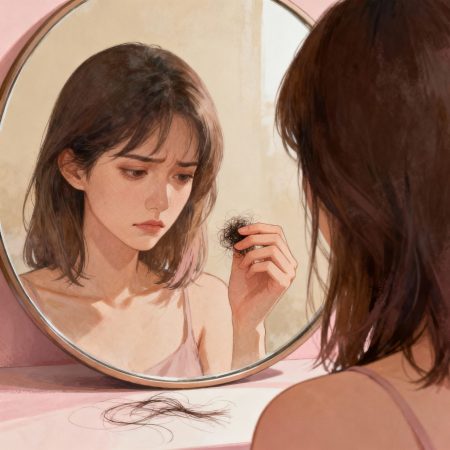
Dear woman, if you are reading this article, you are likely experiencing one of the many transformations that menopause can bring, and hair loss is undoubtedly one of the most delicate and emotionally challenging. Please know that you are not alone. Millions of women worldwide face hair thinning and alopecia during this phase of life. It is an experience that can shake one’s self-esteem, but understanding what is happening and discovering natural ways to care for yourself is the first and most powerful step toward self-care and empowerment.
The Physiology Behind Hair Loss in Menopause (The “Why”)
To understand hair loss in menopause, we need to look at our hormones. Before menopause, estrogen and progesterone, the predominant female hormones, play a crucial role in maintaining a healthy hair cycle. They help prolong the hair’s growth phase (anagen), resulting in fuller, stronger strands.
However, as we approach and enter menopause, the levels of estrogen and progesterone decrease drastically. This drop creates a hormonal imbalance, where the influence of androgens (male hormones, like testosterone, which all women have in smaller amounts) becomes relatively more prominent. For some women, this change can lead to androgenetic alopecia, also known as female pattern hair loss. Androgens can shorten the hair’s growth phase and cause hair follicles to shrink, producing finer, shorter, and more fragile strands.
In addition to hormonal fluctuations, other factors can contribute to hair loss during this phase, such as chronic stress (which elevates cortisol levels), nutritional deficiencies (iron, zinc, vitamin D, biotin), and, of course, genetic predisposition.
Embracing Natural Solutions for Stronger Hair
The good news is that there are many natural and practical approaches that can help nourish your hair and scalp, promoting a healthier environment for hair growth.
Nutrition from Within
Your hair is a reflection of your internal health. A nutrient-rich diet is fundamental:
- Biotin: Essential for producing keratin, the protein that makes up hair. Found in eggs, nuts, seeds, sweet potatoes, and avocados.
- Iron: Iron deficiency is a common cause of hair loss. Good sources include lean red meat, beans, lentils, and dark leafy greens.
- Zinc: Helps with hair tissue growth and repair. Present in oysters, beef, pumpkin seeds, and lentils.
- Protein: Hair is made of protein. Ensure you consume adequate sources like fish, chicken, eggs, legumes, and dairy.
- Vitamin D: Plays a role in the hair follicle’s growth cycle. Get safe sun exposure and consume foods like fatty fish and egg yolks.
The Power of Natural Oils: The Example of Coconut Oil
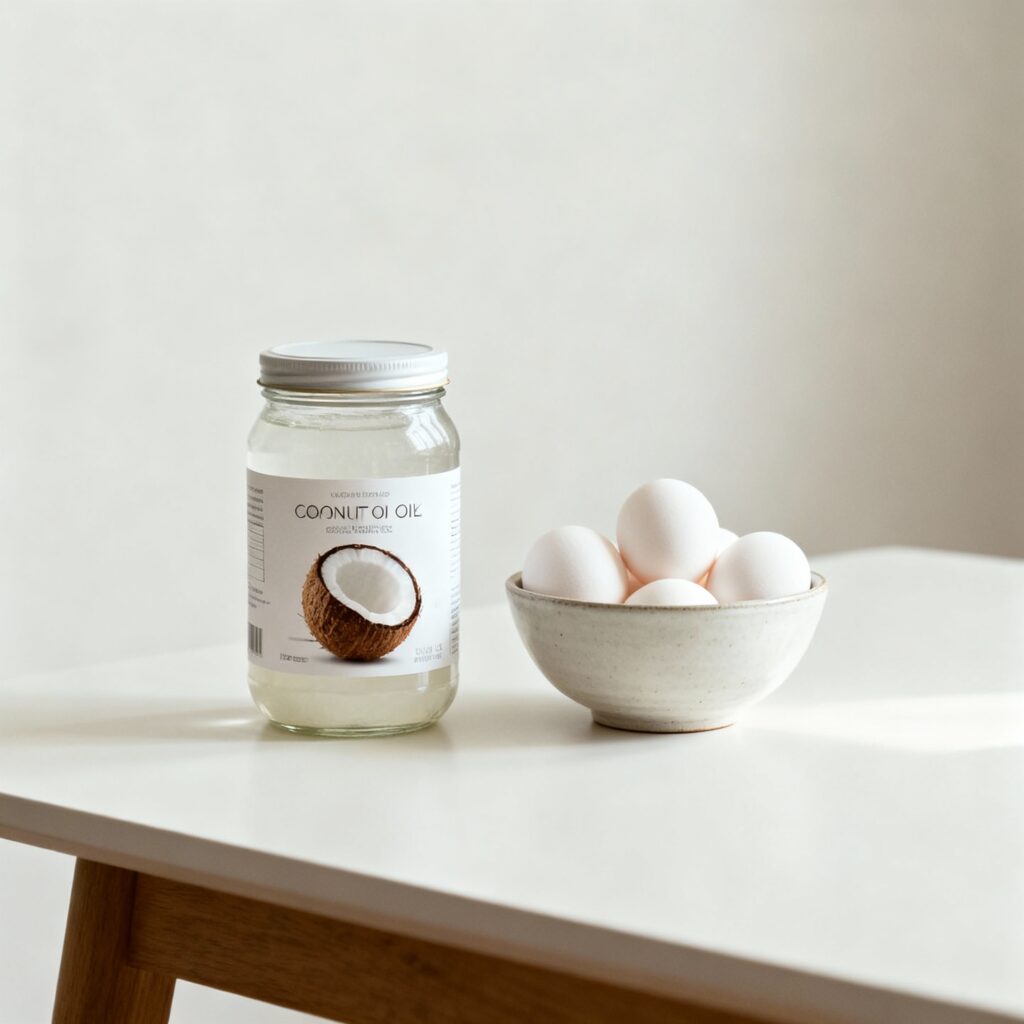
Natural oils have been used for centuries to nourish the hair and scalp. Coconut oil, in particular, is a powerful ally. Rich in lauric acid, it has a molecular structure that allows it to penetrate deep into the hair shaft, reducing protein loss and protecting the strands from damage.
Practical Tip for Using Coconut Oil:
Warm a small amount of extra virgin coconut oil in your hands until it becomes liquid. With your fingertips, gently massage the oil into your scalp for 5-10 minutes to stimulate circulation. Then, distribute the rest through the length of your hair. Let it sit for at least 30 minutes (or even overnight, with a cap) before washing as usual. Do this 1-2 times a week.
Other oils that can be beneficial include:
- Rosemary Oil: Known for its stimulating properties, it can help improve circulation in the scalp and promote hair growth.
- Peppermint Oil: Also stimulates circulation and can create a conducive environment for hair growth.
Stress Management and Lifestyle
Stress is a silent enemy of hair health. When we are stressed, our body releases cortisol, a hormone that, in excess, can disrupt the hair’s growth cycle and lead to shedding.
Prioritizing stress management is vital. Consider incorporating wellness practices into your daily routine:
- Meditation and Mindfulness: Calm the mind and body.
- Yoga or Tai Chi: Combine gentle movement with breathing and relaxation.
- Walks in Nature: Connecting with the natural environment can be incredibly restorative.
- Hobbies and Pleasurable Activities: Dedicate time to something you love, whether it’s reading, painting, listening to music, or spending time with friends.
Conclusion
Menopause is a journey of transformation, and hair changes are just one part of it. Remember that caring for yourself, including your hair, is an act of love and empowerment. Be patient with yourself and consistent with natural practices. Every small step toward better nutrition, less stress, and conscious hair care contributes to your overall health and well-being. You are in control of your journey, and there is beauty and strength in every phase of your life.
References
- Physiology of Menopause, M. E. Ajita & V. Ka, Skin Changes Caused by Menopause, 2022.
- Natural Treatments for Alopecia, L. M. M. Martins de Moura, Medicinal Plants in the Treatment of Androgenetic Alopecia, 2023.
- Effect of Coconut Oil, A. K. B. Fernandes & S. S. D. Chura, Prevention of hair shaft damage by thermal procedures and use of photoprotectors, 2023.