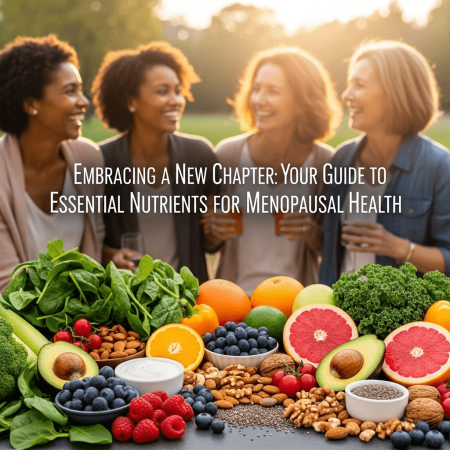
Menopause is a natural and transformative stage in a woman’s life. While it marks the end of menstrual cycles, the journey through it can bring a host of changes, from hot flashes and mood swings to shifts in bone density and metabolism. Embracing this new chapter with vitality is entirely possible, and one of the most powerful tools at your disposal is nutrition.
This guide is designed to be a welcoming companion, offering practical insights into the vitamins and minerals that can help you navigate menopause gracefully, support your hormonal balance, and foster long-term health in the most natural way possible.
Key Nutrients to Nourish Your Body
As estrogen levels decline, your body’s nutritional needs change. Focusing on specific nutrients can make a significant difference in how you feel day-to-day and protect your future health.
1. Calcium: Your Bones’ Best Friend
With lower estrogen, bones can lose density more rapidly, increasing the risk of osteoporosis. Calcium is the primary mineral that keeps your bones strong and resilient.
- Why it’s essential: Prevents bone loss and reduces the risk of fractures.
- Natural Sources: Dairy products (yogurt, cheese, milk), fortified plant-based milks, leafy greens (kale, collard greens), sardines and canned salmon (with bones), and tofu.
- Practical Tip: Pair your calcium-rich foods with a source of Vitamin D to maximize absorption. A spinach and cheese omelet is a delicious and effective choice.
See too: Vitamin K2: The Director of Your Body’s Mineral Orchestra
2. Vitamin D3: The Sunshine Vitamin
Often called the “sunshine vitamin,” Vitamin D3 is crucial for absorbing calcium. Beyond bone health, it plays a vital role in immune function and mood regulation, helping to combat the mood swings that can accompany menopause.
- Why it’s essential: Facilitates calcium absorption, supports the immune system, and helps stabilize mood.
- Natural Sources: Fatty fish (salmon, mackerel), egg yolks, fortified foods (milk, orange juice, cereals), and sensible sun exposure.
- Practical Tip: Try to get 10-15 minutes of midday sun exposure on your arms and legs a few times a week. During colder months, prioritize Vitamin D-rich foods or consider a supplement after consulting your doctor.
3. Magnesium: The Calming Mineral
Magnesium is a true powerhouse, involved in over 300 biochemical reactions in the body. For menopausal women, it’s particularly beneficial for promoting relaxation, improving sleep quality, and easing anxiety.
- Why it’s essential: Helps regulate mood, supports healthy sleep patterns, relaxes muscles, and contributes to bone health.
- Natural Sources: Nuts and seeds (almonds, pumpkin seeds), leafy greens (spinach), avocados, dark chocolate, and whole grains.
- Practical Tip: A small handful of almonds or a square of dark chocolate in the afternoon can help curb cravings and boost your magnesium intake.
4. B Vitamins: Your Energy and Mood Boosters
The B-vitamin family (especially B6, B9, and B12) is critical for energy production and brain health. They help the body create serotonin, a neurotransmitter that regulates mood, which can often fluctuate during menopause.
- Why it’s essential: Fights fatigue, supports cognitive function, and helps produce mood-regulating chemicals.
- Natural Sources: Lean meat, poultry, fish, eggs, whole grains, beans, and leafy greens.
- Practical Tip: Start your day with a bowl of oatmeal (a whole grain) topped with berries to get a steady release of energy and a good dose of B vitamins.
5. Omega-3 Fatty Acids: For Heart and Mind
These healthy fats are renowned for their anti-inflammatory properties. They can help reduce the severity of hot flashes, support cardiovascular health (which becomes more critical post-menopause), and may alleviate symptoms of depression.
- Why it’s essential: Reduces inflammation, supports heart and brain health, and may ease hot flashes and mood swings.
- Natural Sources: Fatty fish (salmon, tuna, sardines), flaxseeds, chia seeds, and walnuts.
- Practical Tip: Add a tablespoon of ground flaxseed to your morning smoothie or yogurt for an easy omega-3 boost.
6. Phytoestrogens: Nature’s Hormone Support
Phytoestrogens are natural plant compounds that can mimic the effects of estrogen in the body, but in a much weaker form. For some women, they can help take the edge off symptoms like hot flashes and night sweats.
- Why it’s essential: May help balance hormones naturally and reduce the intensity of common menopausal symptoms.
- Natural Sources: Soybeans (tofu, edamame, tempeh), chickpeas, lentils, and flaxseeds.
- Practical Tip: Incorporating a serving of edamame as a snack or adding chickpeas to your salads can be a simple way to include phytoestrogens in your diet.
7. Fiber: For Gut Health and Weight Management
Changes in hormones can affect digestion and metabolism. A diet rich in fiber helps maintain a healthy gut, prevents constipation, and promotes a feeling of fullness, which is helpful for managing weight.
- Why it’s essential: Supports digestive regularity, aids in weight management, and helps lower cholesterol.
- Natural Sources: Fruits, vegetables, whole grains, legumes (beans, lentils), and nuts and seeds.
- Practical Tip: Aim to “eat the rainbow” by filling half your plate with colorful vegetables at every meal. This ensures a wide variety of fibers and nutrients.
A Final Thought
Navigating menopause is a personal journey, but you don’t have to do it alone. By nourishing your body with these essential nutrients, you are taking an active, loving, and powerful step toward maximizing your health and well-being. Listen to your body, be patient with yourself, and celebrate the strength and wisdom that come with this new phase of life.
Disclaimer: I’m not a licensed professional. The following information is for general knowledge and does not replace professional advice. Please consult with a healthcare provider or registered dietitian before making significant changes to your diet or starting any new supplements.
References
- Calcium, Recker RR, Calcium and Other Nutrients in Postmenopausal Bone Loss, 2003
- Vitamin D, Holick MF, Vitamin D deficiency, 2007
- Magnesium, Parazzini F, et al., Magnesium in the gynecological practice: a literature review, 2017
- B Vitamins, Tucker KL, et al., Low plasma vitamin B12 is associated with lower cognitive function, but not cognitive decline, in older adults, 2005
- Omega-3 Fatty Acids, Freeman MP, et al., Omega-3 fatty acids: evidence basis for treatment of depression, 2006
- Phytoestrogens, Chen MN, Lin CC, Liu CF, Efficacy of phytoestrogens for menopausal symptoms: a meta-analysis and systematic review, 2015
- Fiber, Tucker LA, Thomas KS, The effect of a high-fiber, low-fat diet on weight loss in women, 2009